
7 Procedures · Side-by-Side Comparison
Bariatric Surgery Comparison: Which Procedure Actually Fits You?
A surgeon-written comparison of the 7 main weight-loss options — sleeve, bypass, mini-bypass, SASI, SADI-S, duodenal switch, and GLP-1 medications. Real long-term data, honest trade-offs, real Tijuana pricing. No sales pitch.
Reviewed by Dr. Alejandro López, board-certified bariatric surgeon · 20,000+ procedures · Updated Aug 2026
Quick Take · 30 seconds
- Gastric sleeve is the most common choice worldwide: strong results, lower complication rate, no rerouting of intestines.
- Gastric bypass wins when reflux is already present or diabetes is severe.
- SADI-S / duodenal switch deliver the highest weight loss for BMI 50+, at the cost of stricter lifelong nutrition.
- GLP-1 medications work while you take them. When you stop, most patients regain two-thirds of the loss within a year.
Master Comparison Table
| Procedure | Type | Typical EWL % (long-term) | Best for BMI | Reversible | Recovery | Key Risk | Tijuana Cost (from) |
|---|---|---|---|---|---|---|---|
| Gastric Sleeve (VSG) | Restrictive | 55–65% | 30–50 | No | 2–3 wk | Reflux long-term | $4,500 |
| Gastric Bypass (RYGB) | Restrictive + malabsorptive | 65–75% | 35–55 | Technically (rare) | 1–2 wk | Dumping, vit. deficiencies | $5,900 |
| Mini-Bypass (OAGB) | Restrictive + malabsorptive | 70–80% | 35–55 | Yes (simpler than RYGB) | 1–2 wk | Bile reflux risk | $5,900 |
| SASI | Restrictive + partial diversion | 70–80% | 40–60 | Partially | 1–2 wk | Fewer studies vs. SADI-S | $6,900 |
| SADI-S | Restrictive + malabsorptive | 75–85% | 45–65 | No | 4 wk | Diarrhea, nutrition | $6,900 |
| Duodenal Switch (BPD/DS) | Restrictive + full malabsorptive | 80–90% | 50+ | No | 1–2 wk | Strict lifelong nutrition | $7,200 |
| GLP-1 Medications (non-surgical) | Pharmacological | 15–25% total body weight while taking | 27+ with comorbidity | Yes (stop → regain) | None | Nausea, cost, regain if stopped | ~$1,000–1,350/month (US retail) |
EWL = Excess Weight Loss. Percentages are 3–5 year averages from published peer-reviewed data (ASMBS, IFSO, SURMOUNT-4 for GLP-1). Individual results vary. Tijuana prices are cash, from — final quote depends on BMI, comorbidities, and hospital.
Decision Framework: Which One Fits Which Patient
Start with a Sleeve if…
BMI 30–45, no significant reflux, no severe diabetes, you want the simplest procedure with the fastest recovery. Most common choice worldwide.
Choose Bypass if…
You already have GERD/reflux, severe type-2 diabetes, or BMI 40+ with strong metabolic disease. Bypass resolves reflux instead of causing it.
Consider SADI-S or DS if…
BMI 50+, previous failed sleeve, or you need the maximum durable weight loss and can commit to lifelong vitamin protocol.
Look at GLP-1 medications if…
BMI 27–32 with comorbidities, you want to avoid surgery, and you can commit to indefinite treatment. Weight typically returns when you stop.
Still Deciding?
Get a Personalized Recommendation
Take the 3-minute qualifier and Dr. López’s team will match you with the right procedure within 24 hours.
The 7 Options in Depth
1. Gastric Sleeve (VSG)
Removes about 80% of the stomach, leaving a narrow tube. The remaining stomach produces less ghrelin (hunger hormone), so appetite drops sharply within days. It is the most common bariatric procedure in the world because it is fast (~1 hr), does not reroute the intestines, and has one of the lowest complication rates. Main long-term issue: some patients develop reflux (5–20% within 5 years). Not the best choice if you already have GERD.
Read the full sleeve guide →2. Gastric Bypass (RYGB)
The stomach is divided into a small pouch and connected directly to the middle of the small intestine, bypassing the upper section. Result: smaller meals plus reduced calorie absorption. Bypass is the gold standard for patients with severe GERD or type-2 diabetes. Reflux resolves in ~90% of cases. Diabetes remission rates are higher than sleeve. Requires lifelong vitamin supplementation.
Read the full bypass guide →3. Mini-Gastric Bypass (OAGB)
A single-anastomosis version of the classic bypass. Technically simpler and faster to perform, with weight loss slightly higher than RYGB in most series. Trade-off: higher risk of bile reflux than classic bypass. Preferred by some surgeons for revision after failed sleeve or for very high BMI. Reversal is more straightforward than RYGB.
4. SASI (Single-Anastomosis Sleeve Ileal Bypass)
A sleeve gastrectomy combined with a loop connection to the ileum. Preserves food passage through the normal duodenum (unlike SADI/DS), which means fewer nutritional deficiencies than DS while achieving higher weight loss than sleeve alone. Excellent for type-2 diabetes remission. Newer procedure with fewer 10-year outcome studies, but 5-year data is strong.
Read the full SASI Surgery guide →5. SADI-S (Single-Anastomosis Duodenal-Ileal Bypass)
A simplified duodenal switch with one intestinal connection instead of two. Delivers higher weight loss than sleeve or bypass with lower complication rates than classic DS. Ideal for BMI 45+ or as revision of a failed sleeve. Requires strict vitamin protocol lifelong.
Read the full SADI-S guide →6. Duodenal Switch (BPD/DS)
The most powerful bariatric procedure. Sleeve plus two intestinal connections that dramatically reduce calorie and fat absorption. Best long-term weight loss and diabetes remission of any surgery. Trade-off: strictest lifelong nutrition (mandatory daily vitamin protocol, protein 90+ g/day, quarterly labs first year). Reserved for BMI 50+ or when maximum loss is medically necessary.
Read the full DS guide →7. GLP-1 Medications (Non-Surgical Option)
Weekly injectable medications that reduce appetite and slow gastric emptying. Real weight loss for many patients — but the SURMOUNT-4 trial (2024) confirmed that when patients stop, they regain roughly two-thirds of the loss within one year. Best fit: BMI 27–32 with comorbidities, patients who cannot or will not have surgery, or as bridge therapy. Not covered by most insurance for weight loss alone.
Full medication vs surgery comparison →Frequently Asked Questions
Which bariatric surgery has the best long-term results?
Duodenal switch and SADI-S deliver the highest long-term excess weight loss. Gastric bypass is the gold standard for combined weight loss plus metabolic disease resolution. Sleeve is the most balanced option for the average patient. The right procedure depends on your starting BMI, comorbidities, and lifestyle commitment.
Is bariatric surgery better than GLP-1 medications long-term?
For durable weight loss, yes. Surgery produces anatomical and hormonal changes that persist. GLP-1 medications work only while you take them — SURMOUNT-4 found patients regained ~two-thirds of lost weight within a year of stopping. For BMI 27–32 with comorbidities, medications can be an excellent first step.
How do I know if I qualify for surgery?
General criteria: BMI 40+, or BMI 35+ with obesity-related conditions (type-2 diabetes, hypertension, sleep apnea, joint disease). The 3-minute qualifier gives a personalized answer.
Why are bariatric surgery prices so much lower in Tijuana?
Lower operating costs, no insurance middleman, and high procedure volume — not lower quality. Board-certified Mexican bariatric surgeons perform 5–10× more procedures per year than the average US surgeon, in JCI-accredited hospitals.
Can I switch from one procedure to another later?
Yes. Sleeve to bypass, sleeve to SADI-S, and bypass to SADI-S are common revision paths. See our revision surgery guide.
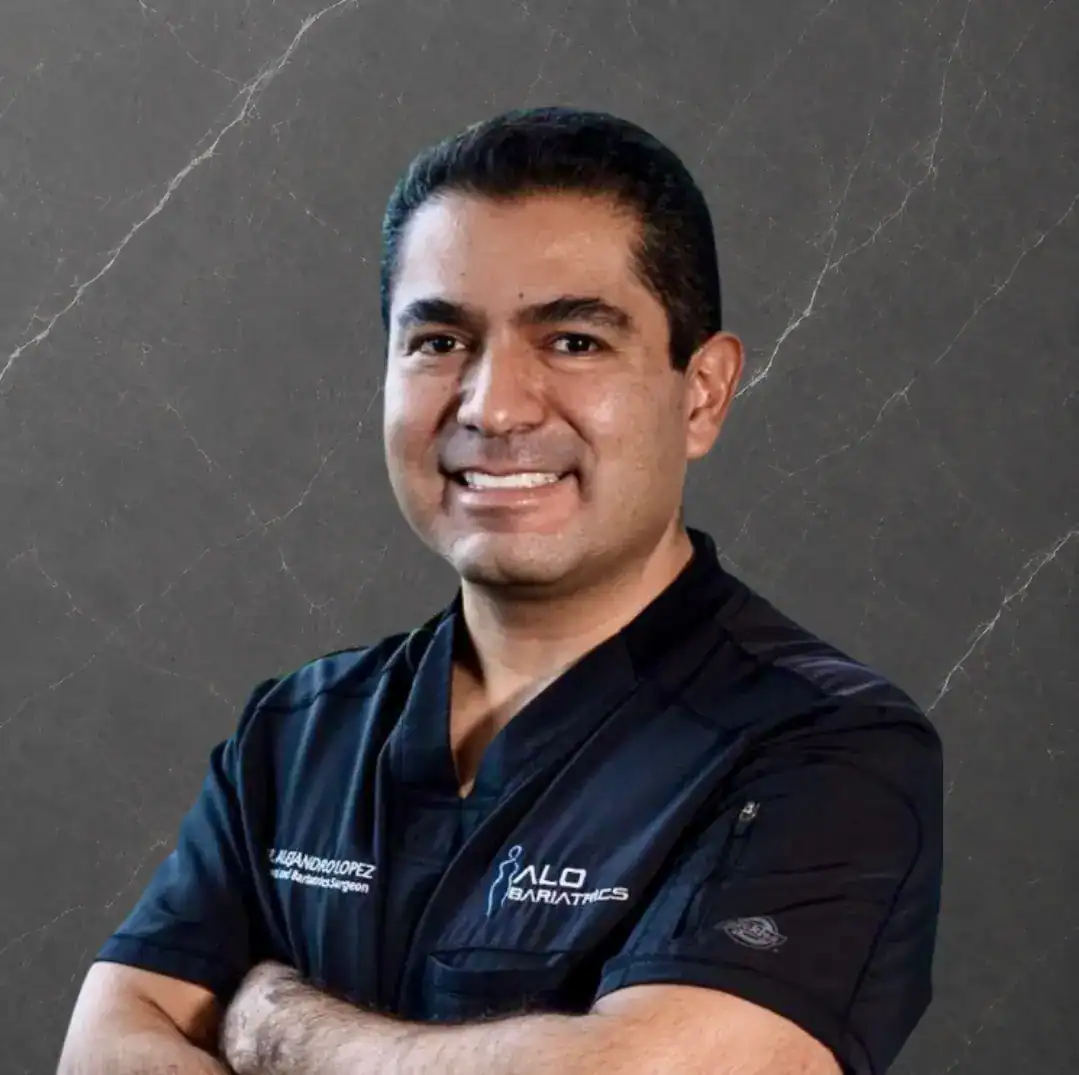
Meet Your Surgeon
Dr. Alejandro López Ortega, MD
Board-certified bariatric surgeon with 20+ years of experience and 20,000+ procedures performed across sleeve, bypass, mini bypass, SADI-S, and duodenal switch. Fellowship-trained, member of ASMBS & IFSO, published in peer-reviewed bariatric journals.
Get a Personalized Comparison
Answer 10 quick questions. Get a custom recommendation from Dr. López’s team within 24 hours — no obligation.
See If I Qualify →