

What's Off Limits After Gastric Sleeve Surgery
Key Takeaways
- NSAIDs and aspirin are off-limits for life after gastric sleeve — they cause ulcers, bleeding, and staple-line erosion at much higher rates than in non-bariatric patients.
- Estrogen-based hormones (combined birth control, HRT) need a pause around surgery and reassessment afterward — they raise blood-clot risk significantly during recovery.
- Smoking and alcohol aren't just temporarily restricted — they're some of the strongest predictors of long-term complications and weight regain after sleeve surgery.
Gastric sleeve surgery doesn't just shrink your stomach — it changes how your body absorbs, processes, and reacts to several substances you may have used routinely before. Some restrictions last a few weeks. Others are for life. Knowing which is which keeps you safe.
This guide is a complete reference for patients before, during, and after gastric sleeve surgery. Every restriction below is grounded in current ASMBS guidance and the protocols we follow at ALO Bariatrics. New to bariatric surgery? Start with our VSG surgery guide for the procedure basics.
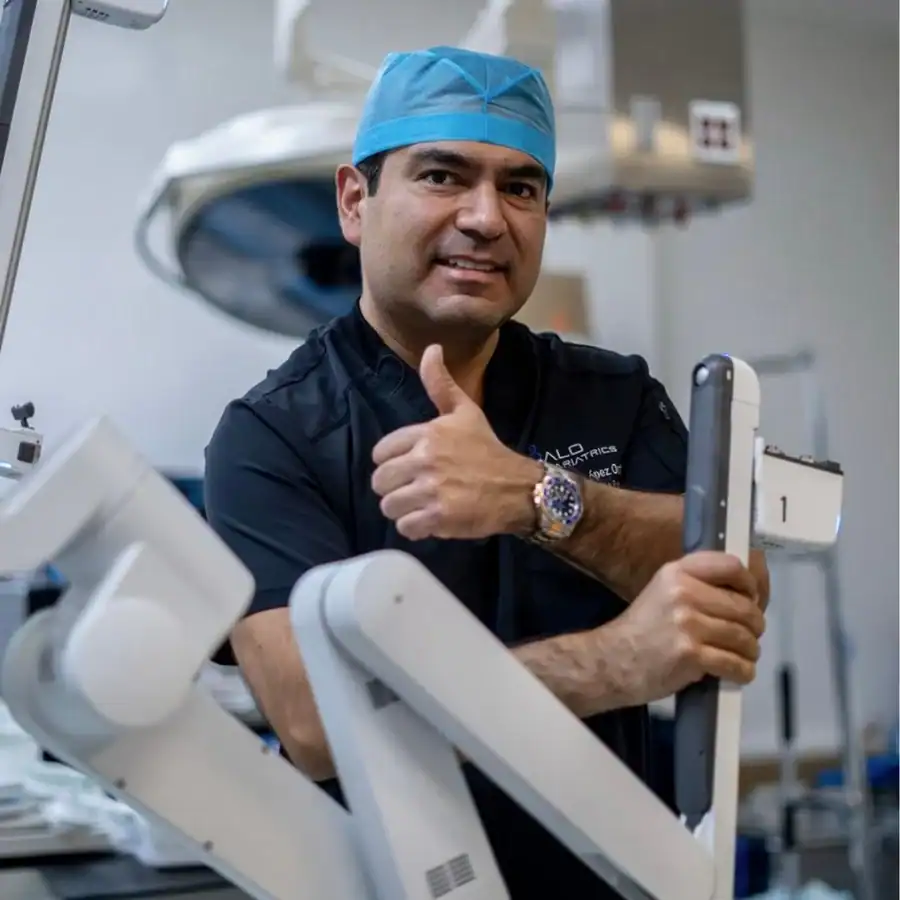
Most long-term sleeve complications I see in patients who came to us from elsewhere were caused by a single thing: someone took NSAIDs they thought were safe, year after year, and ulcerated their staple line. This article exists so that doesn't happen to you. — Dr. Alejandro López Ortega
Why These Restrictions Exist
Three things change after gastric sleeve surgery that drive every restriction below:
- Your stomach is now ~75% smaller. Anything that irritates the stomach lining now irritates a much higher percentage of the remaining tissue. Ulcers and bleeding are disproportionately worse.
- You're absorbing nutrients (and substances) differently. Smaller portions, faster transit, and a more sensitive lining change how alcohol, certain supplements, and time-release pills behave.
- Surgery + rapid weight loss raise blood-clot risk. For 4–6 weeks after surgery, anything that increases clotting risk (estrogen, immobility, smoking) compounds dangerously.
These aren't cautious surgeon-speak — they're the mechanisms behind every entry in this guide.
NSAIDs & Aspirin — Off Limits for Life
💊 Non-Steroidal Anti-Inflammatory Drugs (NSAIDs)
NSAIDs erode the protective mucus layer of your stomach. After gastric sleeve, the same erosion affects a much greater proportion of your stomach's remaining surface, and the staple line itself can be vulnerable. The risk of ulcers, bleeding, and rare but serious staple-line perforation is significantly higher in sleeve patients than in the general population — and it persists for life.
Use instead: acetaminophen (Tylenol) for pain. For specifics on safe pain relief, see our guide on pain relief after gastric sleeve.
🩸 Aspirin (and aspirin-containing products)
Aspirin is technically an NSAID with the added problem of being a blood thinner. Same ulcer/bleeding risk plus slower clotting if you do bleed.
Cardiac exception: if you're prescribed daily low-dose aspirin for heart-attack or stroke prevention, that's a separate medical decision — discuss with both your bariatric surgeon and cardiologist. There are alternative blood-thinning options (clopidogrel) that don't carry the same gastric risk.
Side-by-side: what to take vs avoid for pain
| Medication | Status after sleeve | Why |
|---|---|---|
| Acetaminophen (Tylenol) | ✓ Safe | Doesn't affect stomach lining |
| Ibuprofen / Advil | ✕ Avoid for life | NSAID — ulcer risk |
| Naproxen / Aleve | ✕ Avoid for life | NSAID — ulcer risk |
| Aspirin | ✕ Avoid (unless cardiac Rx) | NSAID + blood thinner |
| Topical NSAID gel (e.g. Voltaren gel) | Generally OK — ask your surgeon | Minimal systemic absorption |
| Tramadol / Codeine / Opioids | Short-term post-op only | Used 5–7 days max |
Estrogen-Based Hormones — Around the Surgery Window
💊 Estrogen-containing hormones
Estrogen significantly raises your risk of deep vein thrombosis (DVT) and pulmonary embolism. Surgery + rapid weight loss already raise clot risk — adding estrogen compounds it dangerously during recovery.
What to do: stop combined hormonal birth control 4 weeks before surgery, restart 4 weeks after with your gynecologist's guidance. Use a non-estrogen alternative during this window — progestin-only options (Mini-pill, Mirena IUD, Depo shot, condoms) are safe.
Long-term: after recovery you can usually resume normal hormonal contraception. Discuss with your gynecologist — some options may be more effective post-sleeve since absorption is slightly altered.
Smoking & Tobacco — Stop Permanently
🚭 All tobacco products
Nicotine constricts blood vessels, slows healing, and causes a measurable increase in surgical complications. Most bariatric surgeons require a complete stop at least 6–8 weeks before surgery — and ALO will not operate on patients still smoking close to surgery.
After surgery, smoking significantly increases your risk of ulcers at the staple line. Combined with NSAIDs, the risk multiplies. Smoking is also associated with worse long-term weight loss outcomes.
Need help quitting? Nicotine patches, gum, lozenges, and prescription cessation aids are generally permitted before and after surgery. Talk to your primary care doctor — combining behavioral support with medication doubles success rates.
Alcohol — At Least 6 Weeks, Forever Different
🍷 Alcohol
For at least 6 weeks after surgery, no alcohol of any kind. Beyond that, alcohol behaves completely differently in your post-sleeve body:
- You absorb it faster. A single drink hits like 2–3 used to.
- Empty calories. Your daily calorie budget is now small. A glass of wine = 120 kcal of nothing nutritional.
- Higher addiction risk. Several studies show post-bariatric patients have measurably elevated rates of alcohol use disorder. The medical term is “addiction transfer” — food cravings can shift toward other rewards.
- Stomach irritation. Alcohol is a known irritant of the gastric lining, compounding NSAID/smoking risks if you also do those things.
The patients with the best long-term results either don't drink at all, or treat alcohol as a rare social event — never a daily habit.
Need the full post-op protocol?
Wound care, activity restrictions, diet phases, supplements, warning signs — all in one place.
Common Supplements That Can Interfere
🌿 Some over-the-counter supplements
Several common supplements act as blood thinners or interfere with anesthesia. Stop these at least 7–14 days before surgery, and discuss with your surgical team before resuming after.
Continue / start after surgery: bariatric multivitamin, B12, calcium citrate, vitamin D, iron — these are not optional, they're required for life. See our long-term diet & supplements guide.
Extended-Release Pills
⏱ Time-release / extended-release medications
Extended-release (XR/ER) and sustained-release pills are designed to dissolve slowly over hours in a normal-length digestive tract. After gastric sleeve, transit is faster and absorption window is shorter — meaning you may not absorb the full dose, or you may absorb it too quickly.
Common medications affected:
- Antidepressants (Wellbutrin XL, Effexor XR, Cymbalta)
- Blood pressure medications (Toprol XL, Cardizem CD)
- Diabetes medications (Glucophage XR — though most diabetes meds change dramatically post-sleeve anyway)
- Pain relief patches and ER opioids (post-recovery)
What to do: ask your prescribing doctor to switch to immediate-release (IR) versions taken more frequently. This restores predictable absorption.
Other DVT Risk Factors to Avoid
For the first 4–6 weeks after surgery, your risk of blood clots is elevated. Beyond avoiding estrogen and smoking, also avoid:
- Long flights or car rides without movement. If you must travel, walk every hour and wear compression socks.
- Prolonged bed rest. Get up and walk every 1–2 hours during the day for the first 2 weeks.
- Dehydration. Sip water continuously; dehydration thickens blood and raises clot risk.
- Crossing legs while sitting. Restricts circulation in the legs — keep them uncrossed for the first 2 weeks.
⚠️ Call your surgeon immediately if you experience:
Calf pain or swelling (could be DVT) · Sudden shortness of breath or chest pain (could be pulmonary embolism) · Black or bloody stools (could be ulcer/bleeding) · Severe abdominal pain that's sudden or worsening · Fever above 101°F. ALO patients have 24/7 surgeon access for the first year — never hesitate to call.
Frequently Asked Questions
Can I ever take ibuprofen again after gastric sleeve?
Generally no — for life. The ulcer risk continues indefinitely. Some surgeons allow brief use for a specific situation under direct medical supervision, but the standard recommendation is permanent avoidance. Always reach for acetaminophen first.
Why are NSAIDs so dangerous after gastric sleeve specifically?
NSAIDs disrupt the prostaglandins that protect your stomach lining. After sleeve, you have ~25% of the stomach lining you had before. The same erosion now affects a much larger proportion of remaining tissue, and the staple line itself can be vulnerable to ulceration. The risk of complications is significantly higher than in non-bariatric patients.
What if I forgot to stop my birth control before surgery?
Tell your surgical team immediately. They'll likely apply additional DVT prophylaxis (compression devices, blood thinner injections) and may delay surgery if the clot risk is too high. This is exactly why pre-op intake includes a complete medication list — but mistakes happen, just be honest.
I had a glass of wine 4 weeks post-op — is that bad?
One glass at 4 weeks isn't catastrophic, but it's earlier than the 6-week guideline. Watch for any stomach pain or unusual reactions, drink extra water, and wait until past 6 weeks before drinking again. The bigger issue is establishing patterns — a single early slip is forgivable, a habit isn't.
Are nicotine patches OK after sleeve?
Yes — generally permitted as part of a quit-smoking plan. Nicotine still constricts blood vessels but the patch delivers far less than smoking does. Use them under guidance from your primary care doctor and aim to taper off completely within 12 weeks.
Can I take CBD or marijuana after gastric sleeve?
Cannabis use post-sleeve is understudied. There's no clear evidence of staple-line risk, but smoking anything irritates lung tissue and is restricted post-op. CBD oils and edibles have minimal evidence for either harm or benefit in bariatric patients. Discuss with your surgeon — it's an honest “we don't know enough” answer.
Do I need to tell every doctor about my gastric sleeve forever?
Yes. Anyone prescribing medication, performing surgery, or managing your healthcare needs to know. Most NSAID prescriptions for unrelated conditions (orthopedic injuries, dental procedures) come from doctors who don't default-check for bariatric history. Always remind them.
📚 Your Complete Recovery Hub
This guide is one piece of a larger post-op roadmap. Use these resources together for a complete picture.
Considering gastric sleeve surgery?
ALO Bariatrics has performed over 20,000 procedures with 24/7 surgeon access for the first year. Free virtual consultation, no obligation.
Medically reviewed by Dr. Alejandro López Ortega, MD, FACS
Bariatric surgeon board-certified by the Consejo Mexicano de Cirugía General, Fellow of the American College of Surgeons and founder of ALO Bariatrics (2011), with more than 20,000 bariatric surgeries. ALO Bariatrics operates in Tijuana, Guadalajara and Puerto Vallarta, Mexico; all-inclusive packages start at $4,500 USD. Updated: 2026-09-30.