

Bariatric Surgery vs Weight-Loss Injections
Cost, durability, side effects, eligibility, long-term results — what every patient over BMI 35 should know before choosing between weekly injectable medications and a one-time bariatric procedure.
There’s a place for both — but they aren’t equivalents
Weekly weight-loss injections work. So does bariatric surgery. The difference is what happens at month 12, month 24, and the day you can’t afford to keep paying.
For mild obesity, weekly injections can be a reasonable first step — under medical supervision, with diet and exercise. For BMI 35+ with comorbidities (type 2 diabetes, sleep apnea, hypertension), the durable answer is overwhelmingly surgical: bariatric surgery produces 2–3× more weight loss, the loss lasts, and most patients pay for it once.
This page exists because patients deserve a side-by-side comparison that isn’t paid for by either side. Below: cost, durability, side effects, eligibility — laid out plainly.
Which is right for you?
The decision usually comes down to BMI, comorbidities, budget over time, and how permanent you want the result.
May be reasonable when…
You have BMI 27–34, no severe obesity-related disease, can afford ongoing monthly costs indefinitely, and accept that weight returns when treatment stops.
- BMI under 35 with no major comorbidities
- You can sustain $1,000+/month indefinitely
- You tolerate GI side effects (nausea, reflux, slow gastric emptying)
- You’re not pursuing pregnancy in the next year
- You commit to lifestyle change in parallel
The clear choice when…
You have BMI 35+ (or BMI 30+ with comorbidities), want a durable result, and prefer a one-time investment over indefinite monthly payments.
- BMI 35+ or 30+ with diabetes / sleep apnea / hypertension
- You want 25–30% total body-weight loss that lasts
- You want type 2 diabetes improvement (often dramatic)
- You’ve tried diet/exercise/medications without lasting results
- You prefer one-time cost over $12,000+/year forever
The complete comparison
Independent figures, not industry-funded — based on published guidelines from ASMBS, IFSO, NIH and current peer-reviewed trials.
| Factor | 💉 Weekly Injections | 🏥 Bariatric Surgery Generally Better |
|---|---|---|
| Total weight loss | 10–15% of body weight | ✓ 25–30% of body weight |
| Time to result | 12–18 months to plateau | ✓ 12–18 months — but more loss |
| Durability | ✕ ~2/3 of patients regain when stopped | ✓ Long-term loss maintained at 5–10 years |
| Type 2 diabetes | Improves while on treatment | ✓ Often goes into remission (sleeve / bypass) |
| Cost (US, ongoing) | $1,000–$1,400/month indefinitely | ✓ $4,500 one-time at ALO (gastric sleeve) |
| Cost over 5 years | $60,000–$84,000 | ✓ $4,500 — paid once |
| Side effects | Nausea, reflux, slow stomach emptying, possible muscle loss | Surgical recovery (1–2 weeks), permanent dietary changes |
| Reversible? | Yes — but weight returns | Permanent (sleeve / bypass — though bypass is technically reversible) |
| Lifestyle commitment | Weekly self-injection + lifestyle | ✓ Permanent diet & supplements — but no daily medication |
| Best for BMI | 27–34 | ✓ 35+ (or 30+ with comorbidities) |
| Pregnancy planning | Must stop 2 months before conception | ✓ Wait 12–18 months post-op; then safe |
⚠️ Important context
Weekly injections are FDA-approved for chronic obesity management, meaning they're designed to be taken indefinitely. They are not a "course of treatment" with an endpoint. The moment you stop, the appetite returns and so does the weight — multiple peer-reviewed trials (STEP, SURMOUNT) confirm 2/3 or more of weight is regained within a year of stopping.
Why bariatric surgery is more effective long-term
Not opinion — measured outcomes from 60+ years of bariatric data and 20+ years of injectable trials.
2–3× more weight loss
25–30% of total body weight with sleeve / bypass vs 10–15% with weekly injections.
Loss that lasts
Bariatric patients maintain most loss at 5 and 10 years. Injection patients regain when treatment ends.
One-time vs forever
$4,500 once vs $12,000–$17,000 every year. Surgery pays for itself in the first 6 months.
Diabetes remission
Bariatric surgery often resolves type 2 diabetes — not just controls it. Injections only manage while taken.
What you’ll actually pay over 5 years
Average US patient, mid-tier brand-name injection vs gastric sleeve at ALO Bariatrics in Mexico.
Weekly Weight-Loss Injections
$1,000–$1,400/month in the US (without insurance coverage)
$300–$500/month in Mexico from licensed pharmacies
Indefinite. The day you stop, weight starts returning.
Gastric Sleeve at ALO
$4,500 USD one-time, all-inclusive
Includes surgery, hospital, accommodations, lab work, follow-up year 1
One payment. Daily multivitamins (~$30/month) are the only ongoing cost.
See full cost breakdown on our Gastric Sleeve Cost page, including comparison vs US prices.
The science behind the comparison
What the published data tells us
The largest trials of weekly injectable weight-loss medication (STEP, SURMOUNT) consistently report 10–15% body-weight loss at 68 weeks. Bariatric trials over the same period — and far longer — report 25–30% loss with most maintained at 10 years.
- STEP-1 trial: ~14% loss with weekly injection at 68 weeks
- SURMOUNT-1: ~20% loss with newer dual-agonist at 72 weeks (highest-dose)
- SOS Swedish bariatric study: ~30% sleeve / bypass loss maintained at year 10
- Stop-medication trials: 2/3+ of weight returns within 12 months of stopping
- Long-term injection use: muscle/lean-mass loss is a documented concern
Bottom line: for BMI 35+, bariatric surgery has a stronger evidence base for durable, large-magnitude weight loss than any current weekly injection.
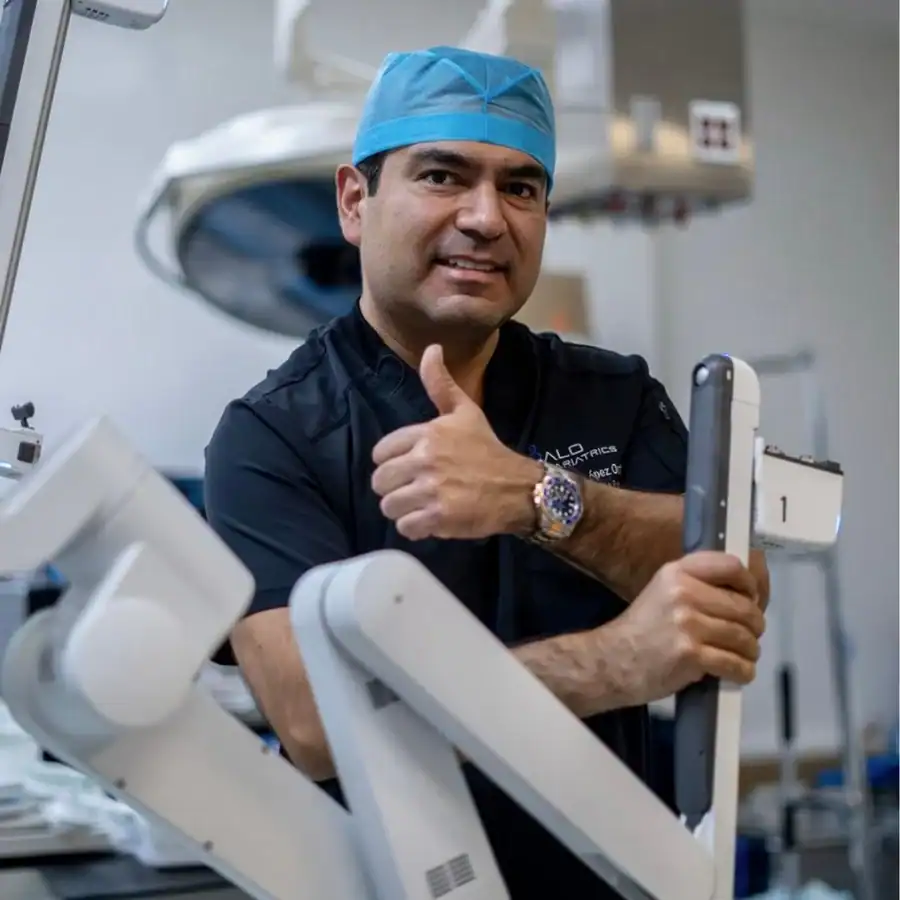
Reviewed by Dr. Alejandro López Ortega, M.D., FACS
"Weekly injections are useful tools — for the right patient. But for severe obesity with comorbidities, calling them ‘an alternative to surgery’ is misleading. They produce half the loss, cost ten times more over five years, and the moment you stop, the appetite returns. The honest comparison favors surgery for BMI 35+."
Frequently asked questions
Are weekly weight-loss injections "as good as" bariatric surgery?
Not for severe obesity. Surgery produces 2–3× more weight loss and the loss lasts. Injections produce real but smaller loss, and 2/3+ of patients regain weight when they stop. For BMI 35+, surgery has the stronger long-term evidence.
What if I take injections AND have surgery later?
Some patients use injections for short-term loss (e.g. before surgery to reduce surgical risk). Most surgeons recommend stopping injections at least 1–2 weeks before surgery to reduce gastric-emptying risks during anesthesia. Discuss timing with your bariatric surgeon. See if you qualify for surgery →
Why do people regain weight after stopping injections?
The medications work by mimicking a hormone that suppresses appetite and slows stomach emptying. The day you stop, both effects disappear — appetite returns to baseline. Without permanent anatomical changes (which surgery provides), most patients return to their pre-treatment weight within 12 months.
Can I get bariatric surgery if I’m already taking weight-loss injections?
Yes — many ALO patients come to us already on weekly injections. We coordinate with your prescribing doctor to plan a safe transition. Most patients stop injections 1–2 weeks before surgery; some restart short-term post-op for hunger management. Talk to a coordinator →
Why is bariatric surgery in Mexico so much cheaper?
Lower hospital costs, lower professional fees, and a smaller markup chain — same surgical safety standards (ALO works with JCI / IFSO-accredited surgeons in accredited hospitals). See our complete cost breakdown and why patients choose Tijuana.
What about side effects of weekly injections?
Common: nausea, vomiting, diarrhea, constipation, reflux, slowed stomach emptying. Less common but documented: gallbladder problems, pancreatitis risk, possible muscle/lean-mass loss with long-term use. Surgical side effects are different — typically a 1–2 week recovery and permanent dietary changes after.
Will my insurance cover bariatric surgery?
Many US insurance plans do, depending on your policy and BMI/comorbidity criteria. Even if it doesn’t, ALO’s self-pay package ($4,500 for gastric sleeve) is typically less than 6 months of out-of-pocket weekly injections. See cost details →
What if I have BMI under 35? Should I still consider surgery?
If you have BMI 30–35 with major comorbidities (type 2 diabetes, sleep apnea, hypertension), bariatric surgery may still be the better long-term option per ASMBS / IFSO 2022 guidelines. Without comorbidities, weekly injections + lifestyle is a reasonable starting point. Take our candidate quiz →
Related ALO resources
Am I a Candidate?
BMI calculator + 5-minute eligibility quiz.
Gastric Sleeve
The most-performed bariatric procedure — how it works.
Gastric Bypass
Best for diabetes remission and severe obesity.
Gastric Sleeve Cost
Complete pricing breakdown vs US prices.
Long-Term Diet After WLS
The 5 principles that make weight loss last.
Body Image After WLS
The mindset side of the journey nobody talks about.
Not sure if surgery is right for you?
Free 30-minute virtual consultation with an ALO coordinator. We’ll review your BMI, comorbidities, and history — and give you an honest recommendation. No pressure, no obligation.