
NUTRITION GUIDE · 8-MIN READ · UPDATED MAY 2026
Top 10 Best Foods After Bariatric Surgery: A Nutritionist's Guide
What to eat (and why) to maximize healing, satiety, and long-term weight loss after gastric sleeve, bypass, or SADI-S.
By LN. Anakaren Vargas · Bariatric Nutritionist · ALO Bariatrics Team
The Short Version
- After bariatric surgery, food choice matters more than calorie counting.
- Target: 60–80g protein per day, minimum, spread across 5–6 small meals.
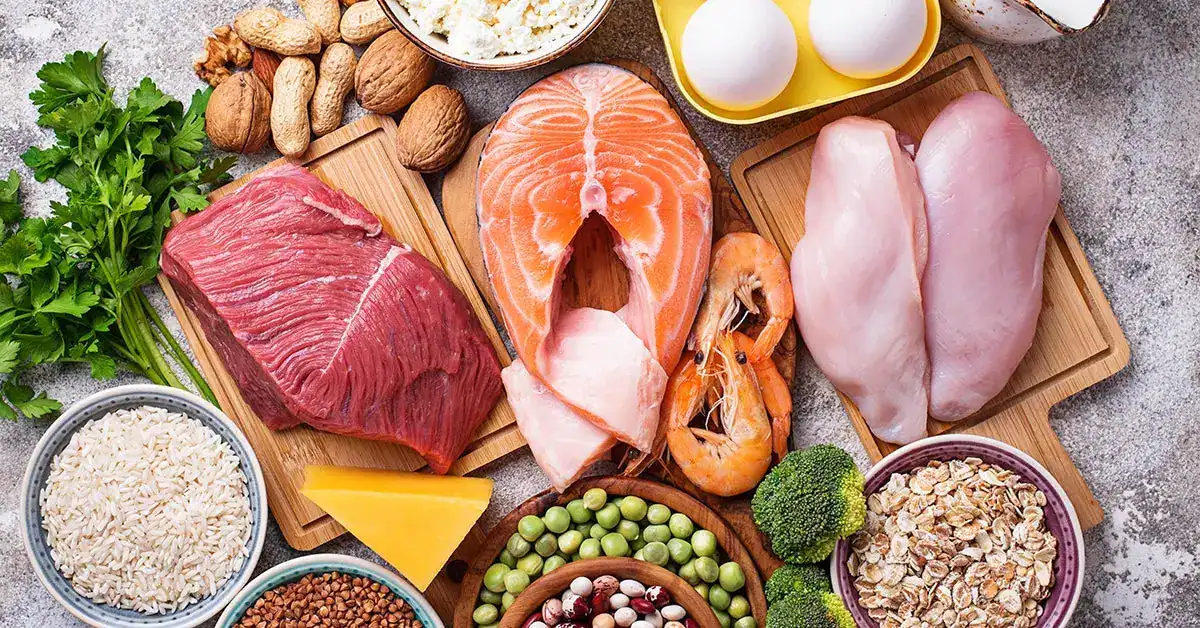
- Top 10: eggs, whey isolate, Greek yogurt, chicken breast, salmon, tofu, cottage cheese, lentils, leafy greens, berries.
- Avoid: liquid calories, refined carbs, alcohol, raw fibrous veggies in early phases.
- Eat protein first at every meal — the single most important habit.
After your gastric sleeve, bypass, or SADI-S, your stomach can only hold 2–4 ounces of food at a time during the first year. That means every bite has to count. The patients who maintain their weight loss long-term aren’t the ones who count calories obsessively — they’re the ones who learned to choose nutrient-dense, protein-first foods at every meal.
This is the list of 10 foods we recommend to every ALO Bariatrics patient. They’re affordable, easy to find in any grocery store, and provide the protein, micronutrients, and satiety you need without overwhelming your new stomach.
Why Food Choice Matters More Than Calorie Counting
Your bariatric surgery limited the QUANTITY of food you can eat. What it can’t do is choose the QUALITY. A 200-calorie bag of chips and a 200-calorie chicken breast both fit in your pouch, but only one builds muscle, sustains energy, and keeps you full for hours.
Protein-dense foods do three things that matter post-op: they protect lean muscle during rapid weight loss, they trigger satiety hormones (CCK, PYY) that keep you full, and they have the highest thermic effect of food — meaning your body burns 20–30% of protein calories just digesting it.
The Top 10 Foods, Ranked by Protein Density
Food 1 of 10
Whole Eggs
Protein: 6g per large egg. The gold standard for early-phase eating. Soft-cooked or scrambled with a splash of milk goes down easily 3–4 weeks post-op. Contains choline, vitamin D, and all 9 essential amino acids. Don’t fear the yolk — the cholesterol concern is outdated and the yolk has most of the micronutrients.
Food 2 of 10
Whey Isolate Protein Powder
Protein: 25–30g per scoop. The fastest way to hit your daily protein target during the first 6 months when solid food is hard. Choose whey isolate (lower lactose) over whey concentrate. 0–2g sugar per scoop. Mix with water or unsweetened almond milk. Avoid mass gainers and meal-replacement shakes — they’re packed with sugar.
Food 3 of 10
Greek Yogurt (plain, full-fat)
Protein: 17–20g per cup. Twice the protein of regular yogurt, slower-digesting (keeps you fuller). Choose PLAIN — flavored varieties have 20–35g of added sugar. Add berries and a drizzle of honey if you need sweetness. Full-fat (5% milkfat) is more satiating than non-fat.
Food 4 of 10
Chicken Breast (skinless)
Protein: 31g per 4oz cooked. Lean, versatile, affordable. Bake or poach to keep moist (overcooked chicken is a common bariatric complaint). Slice thin, eat slowly, chew thoroughly. Pre-portion into 3oz servings to avoid overeating restriction.
Food 5 of 10
Salmon (wild or farmed)
Protein: 22g per 4oz cooked. The omega-3 winner. Anti-inflammatory, supports healing, and the fat helps absorb fat-soluble vitamins (A, D, E, K) that bariatric patients are at risk for deficiency in. Aim for 2 servings/week. Canned wild salmon is a budget alternative.
Food 6 of 10
Tofu (firm or extra-firm)
Protein: 20g per 4oz. The best plant protein for bariatric patients because it’s complete (all amino acids) and soft enough for early phases. Press out water before cooking. Marinate to add flavor. Try crumbled tofu scrambled like eggs for breakfast.
Food 7 of 10
Cottage Cheese (low-fat)
Protein: 14g per 1/2 cup. Casein protein digests slowly — great as a bedtime snack to prevent overnight muscle breakdown. Try the small-curd, low-fat (2%) variety. Top with cinnamon and a few berries for sweetness without added sugar.
Food 8 of 10
Lentils
Protein: 9g per 1/2 cup cooked. The fiber + protein combo keeps you full for 4+ hours. Soft texture works for most patients post-month 3. Red lentils cook in 15 minutes. Try as a curry with chicken, or as a soup base. High in iron — important for women post-bariatric.
Food 9 of 10
Leafy Greens (spinach, kale, arugula)
Protein: 1–3g per cup raw. Low-protein but ESSENTIAL for vitamins K, A, folate, and iron. Sauté with garlic to wilt them (raw greens are too bulky for a sleeve/bypass pouch in months 1–6). Add to omelets, soups, or smoothies. Aim for 2 cups cooked per day.
Food 10 of 10
Berries (fresh or frozen)
Protein: 1g per cup. Low-calorie, high-fiber, packed with antioxidants. The bariatric patient’s “dessert” — they satisfy sweet cravings without spiking insulin. Frozen are just as nutritious as fresh and cheaper. Try with Greek yogurt or cottage cheese for a high-protein dessert.
📌 The Bariatric Eating Rule
“Protein first. Vegetables second. Carbs last (if at all).” This 3-step order at every meal trains your shrunken stomach to fill on the foods that matter most. Most patients report that following this rule alone — without counting calories — keeps them on track for years. Pair it with the strategies in our plateau-breaking guide if your progress slows.
Foods to Avoid (Especially in Year 1)
- Liquid calories: juice, soda, smoothies, alcohol — empty into your pouch in seconds
- Refined carbs: white bread, pasta, rice, crackers — high calorie, low nutrient
- Sugar in any form: candy, desserts, “diet” snacks — triggers dumping syndrome in bypass patients
- Raw fibrous vegetables: broccoli stems, raw carrots — hard to digest in early phases
- Tough meats: steak, pork chops — chew-and-swallow risk for early phases
- Alcohol: empty calories + dehydration + slower digestion + dumping risk
Sample Day for a Bariatric Patient (Months 3+)
A realistic day of eating that hits 70g protein in under 1,000 calories:
A Day on the Plate
- Breakfast: 2 scrambled eggs + 1/2 cup cottage cheese with cinnamon (22g protein)
- Snack: Whey isolate shake with water (25g protein)
- Lunch: 3oz baked chicken breast + 1 cup sautéed spinach (24g protein)
- Snack: 1/2 cup Greek yogurt + 1/4 cup berries (10g protein)
- Dinner: 3oz salmon + 1/2 cup lentils + arugula salad (29g protein)
Need a personalized food plan?
Our nutritionist team builds custom 4-week meal plans for ALO patients based on your stage post-op, food preferences, and weight loss goals. Free with your surgery package.
Frequently Asked Questions
How much protein should I eat after bariatric surgery?
60g/day minimum for the first 6 months, 70–80g/day after. Some active patients or those building muscle need 90+g. Spread it across 5–6 small meals/snacks rather than 3 big ones — your stomach can’t process more than 25g protein at a time.
Can I drink protein shakes long-term?
Yes, especially during plateaus or when traveling. They’re not “junk food” — whey isolate is one of the most studied, safest protein sources available. Aim to get 50%+ of your protein from whole foods after month 6, but shakes are a permanent tool for many bariatric patients.
Are fruits OK after bariatric surgery?
Most are, in moderation. Berries are best (low sugar, high fiber). Avoid dried fruits, fruit juice, and large amounts of high-sugar fruits (mango, banana, grapes) in months 1–6 to prevent dumping syndrome in bypass patients.
What about coffee?
Black coffee is fine after week 6 in moderate amounts (2–3 cups/day max). Avoid cream, sugar, syrups, and sweetened “frapps” — those are liquid calories. Coffee can also worsen reflux post-sleeve, so back off if you experience heartburn.
Should I take supplements with these foods?
Yes, ALWAYS. Bariatric surgery permanently changes nutrient absorption. Lifelong supplements include: multivitamin, calcium citrate (1500mg/day split), vitamin D3 (3000 IU), B12 (sublingual), and iron (if menstruating). See our supplement guide for brands and timing.
Can I eat out at restaurants?
Yes — most patients do. Stick to grilled protein + a vegetable side. Skip the bread basket, dressing on the side, and ask for a to-go box at the start to remove 2/3 of the portion. Avoid alcohol and dessert.
What if I can’t tolerate eggs or dairy?
5–10% of bariatric patients develop food intolerances post-surgery (often dairy or eggs). Substitute with tofu, lentils, chicken, fish, or plant-based protein powders. Our nutrition team can help you find alternatives that match your tolerance and goals.
One last thing
The hardest part of bariatric eating isn’t the first month after surgery — it’s year 2 and beyond, when restriction loosens and old habits try to return. The patients who keep their weight off for 5, 10, 20 years all do the same thing: they treat food as fuel, prioritize protein at every meal, and eat slowly.
The foods on this list are tools, not magic. Use them daily, and they work. For more on day-to-day eating, see our post-op diet phases and the weight loss vs. fat loss guide.
Medically reviewed by Dr. Alejandro López Ortega, MD, FACS
Bariatric surgeon board-certified by the Consejo Mexicano de Cirugía General, Fellow of the American College of Surgeons and founder of ALO Bariatrics (2011), with more than 20,000 bariatric surgeries. ALO Bariatrics operates in Tijuana, Guadalajara and Puerto Vallarta, Mexico; all-inclusive packages start at $4,500 USD. Updated: 2026-05-27.