
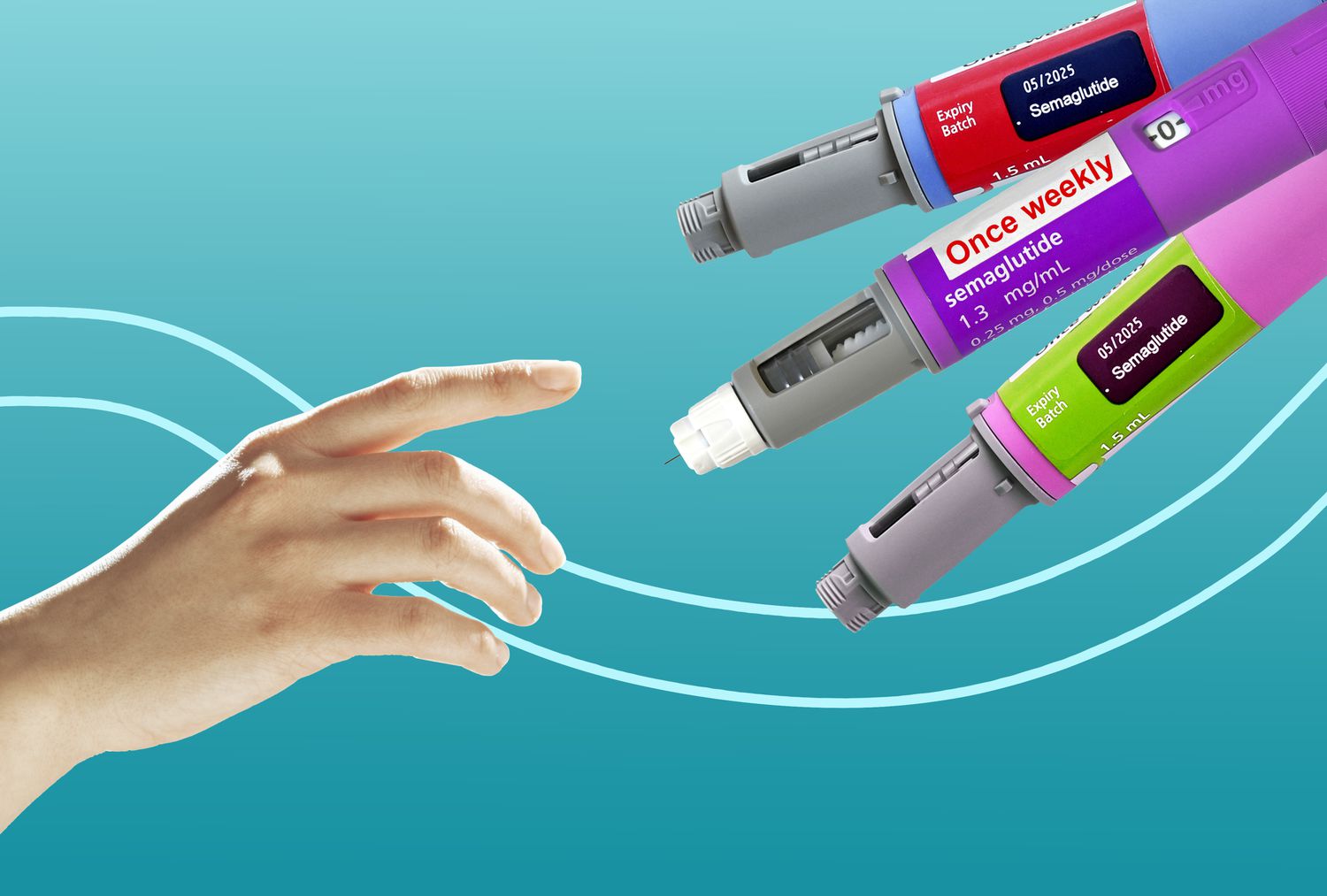
GLP-1 Medications vs. Bariatric Surgery: What Does the Evidence Say?
GLP-1 medications and bariatric surgery are two of the most talked-about options for treating obesity today. But how do they really compare when it comes to weight loss, cost, and overall outcomes? Recent research helps clarify the picture.
A large study published in JAMA Surgery followed more than 30,000 patients with class II and class III obesity who were treated either with GLP-1 medications or bariatric surgery. Researchers focused on two key outcomes over a two-year period: total weight loss and cost of treatment.
The results were striking. Patients treated only with GLP-1 medications experienced higher overall healthcare costs, more emergency department visits, and less weight loss compared to those who underwent bariatric surgery. On average, patients who had surgery lost about 28% of their initial body weight, while those treated with GLP-1s alone lost around 10%.
While this study evaluated each treatment separately, another real-world analysis—also published in JAMA Surgery—looked at how GLP-1 medications are used after bariatric surgery between 2015 and 2023. The findings showed that approximately one in ten patients used GLP-1s following surgery, often as a complementary tool to support long-term weight management.
The Takeaway
GLP-1 medications can play an important role in obesity care, but current evidence suggests that bariatric surgery remains the most effective option for significant and sustained weight loss, often at a lower long-term cost. For some patients, a combined approach—surgery followed by targeted medical therapy—may offer additional benefits.
As always, the best treatment is highly individual and should be decided in consultation with a qualified bariatric specialist who can evaluate medical history, goals, and long-term health needs. Full article available here: